 B2 Moving
Licensed & insured · Family owned
Blog
Notes from five thousand moves.
Checklists, packing technique and consumer-protection guides — written by the crews who do this every day, not a content agency.
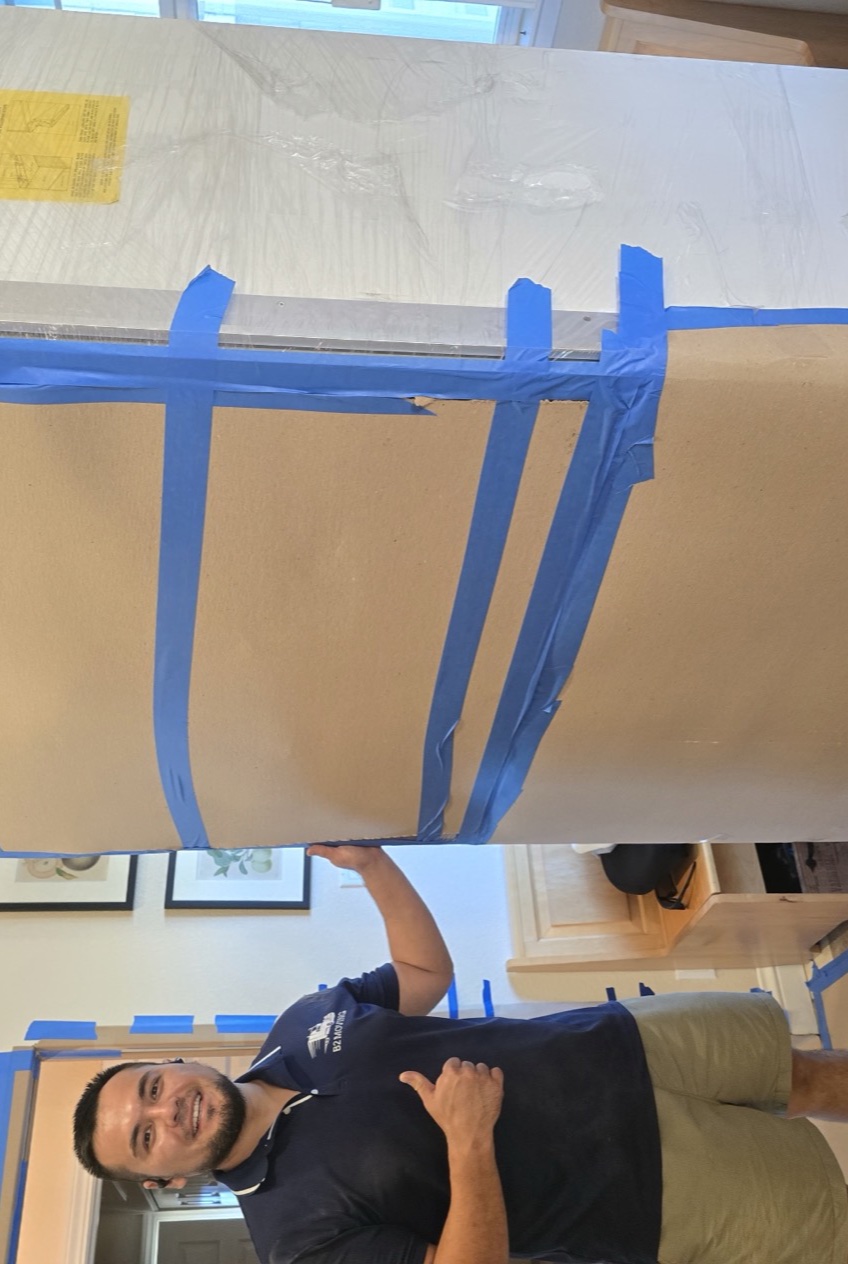
The move, week by week
A week-by-week plan from four weeks out to the day after — booking, decluttering, utilities, packing order and the final sweep.

Moving terms, in plain English
Bill of lading, double drive time, valuation, not-to-exceed — every word on your estimate and contract, decoded.
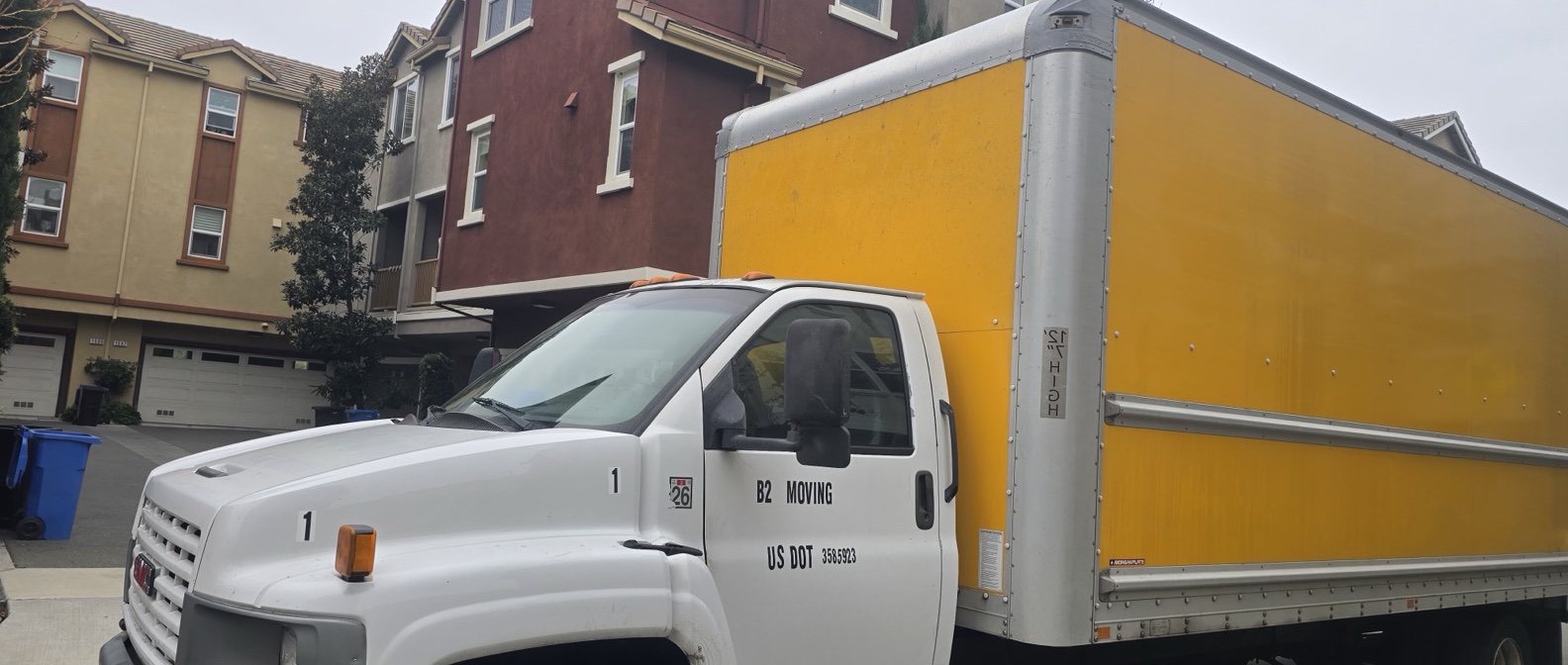
How to verify any mover in 3 minutes
Three public databases, five red flags, and the paperwork every legitimate California mover must be able to show you.
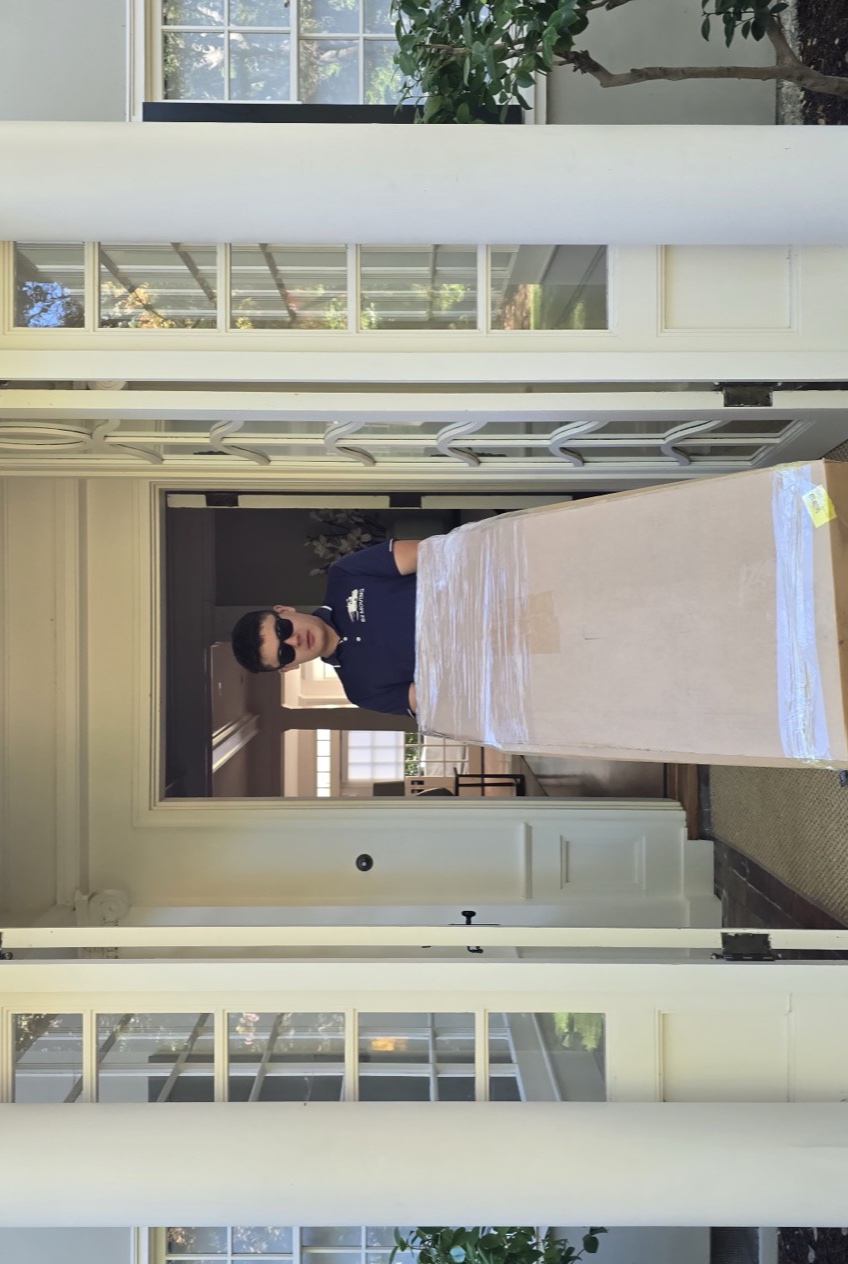
Answers, before you have to ask
Booking windows, hidden-fee policy, packing, insurance and payment — the questions every customer asks, answered straight.
B2 Moving Company has completed over 5,000 moves across the Bay Area since 2018. This moving blog is where we document what actually works — practical advice from the moving crews, not a content agency. The Bay Area is one of the most logistically demanding moving markets in the country: steep grades in San Francisco, narrow stairwells in Victorian apartments, HOA rules, parking permits, compressed timelines driven by the competitive rental market. These guides are written for that reality.
Browse the full library of guides below, or jump to the key topics and FAQs further down.
Latest guides & articles.
How much do movers cost in the Bay Area?
Cost to move a 1-bedroom apartment
How much to tip movers
Bay Area moving checklist, week by week
Apartment moving checklist
Packing guide, room by room
How much fits in a 26-foot truck?
How to move a piano safely
Moving to the Bay Area: relocation guide
Best time to move in the Bay Area
Best neighborhoods in San Jose
Best neighborhoods in Oakland
Do I need a parking permit to move in SF?
Do I need a parking permit to move in Oakland?
Local vs long distance: what changes
How to choose a licensed mover in California
Key moving topics — what you need to know.
What Bay Area moves actually cost
Local moves are billed at an hourly rate: movers × hours + truck fee. A studio/1-bed runs approximately $300–$700; a 2-bed apartment $600–$1,200; a 3-bed home $1,200–$2,500+. Factors that increase the final cost: stairs, steep grades, long carry distances, specialty items (pianos, safes), packing services, and peak season timing (May–September).
Long distance moves within California are priced by shipment weight and distance — always get a written not-to-exceed estimate, not just an instant ballpark quote. To save money: be flexible on move date (weekday/mid-month costs less), declutter before the move, and pack yourself rather than adding professional packing services.
How to pack efficiently — room by room
Start packing at least four weeks out. Pack one room at a time — start with seasonal items, books, and decor; leave daily essentials for last. Use small boxes for heavy items (books, canned goods) and larger boxes for lighter items (bedding, towels). Pack books vertically; wrap fragile items in bubble wrap or clean socks.
Pack a first night box — toilet paper, toiletries, a change of clothes, phone charger, snacks, and your documents folder. Load it last so it comes off the truck first. Label every box with the room destination and "FRAGILE" where needed. Color-coding by room saves time on move-in day.
How to choose a licensed mover
Every legitimate California mover holds an active CAL-T number issued by the California Public Utilities Commission (CPUC). Verify any mover at cpuc.ca.gov before signing anything. Red flags: no CAL-T number, cash-only payment, large deposit before the move, a quote given over the phone without a visual walkthrough, and an hourly rate far below market.
Get a written not-to-exceed estimate based on a video or in-home walkthrough. California law requires this for all household moves — a binding document that caps your final cost. Compare estimates from at least two movers: look at what is included (truck, fuel, packing materials) not just the headline price.
Long distance moves — Bay Area to California
Long distance moves within California are regulated by the CPUC under the same CAL-T framework as local moves. Pricing is by shipment weight and distance rather than an hourly rate. You must receive a written not-to-exceed estimate — not an instant ballpark quote. For cross-country moves out of California, verify the mover's USDOT number at safer.fmcsa.dot.gov.
B2 Moving Company handles long distance moves to Los Angeles, San Diego, Sacramento, Fresno, and all California destinations. Book 4–6 weeks out for long distance relocations — longer lead times mean better pricing and more scheduling flexibility.
When to move — and when not to
Peak moving season in the Bay Area runs May through September — weekends and month-end dates book fast and cost more. Mid-week, mid-month moves during October–April offer the most availability and the lowest moving costs. Bay Area rental market demand moves fast — once you have a move-in date, book your movers immediately.
Start packing at least four weeks before your move date. Pre-move planning pays off: declutter, notify utility providers early, organize paperwork in a dedicated folder, and change your address with USPS at least two weeks before the move.
Key moving terms decoded
Bill of lading — the moving contract and receipt for household goods. Not-to-exceed estimate — a binding written estimate capping your final cost. Released Value Protection — default coverage at 60¢ per pound. Full Value Protection — covers actual market value for any loss or damage. CAL-T number — the CPUC permit required for all California movers.
Double drive time — time billed for truck travel to and from your address. Valuation — the moving industry term for liability coverage, not insurance. Tariff — the rate schedule filed by a mover with the CPUC. General order — storage warehouse placement when delivery cannot be completed.
Frequently asked questions.
Moving questions from Bay Area customers — answered by the crew that moves them.
What are the best moving tips for first-time movers?
Start packing at least four weeks out — one room at a time. Declutter before you pack: fewer belongings means lower moving costs and less effort. Label every box with room and contents. Pack a first night box with essentials (toilet paper, toiletries, charger, snacks, documents). Get a written estimate from a licensed, insured moving company and verify their CAL-T number at cpuc.ca.gov before booking.
How far in advance should I start planning a Bay Area move?
For peak season (May–September, weekends, month-end), book movers 3–4 weeks ahead. Bay Area demand surges during peak months — the competitive rental market means move dates are often compressed. Start packing as soon as the move date is confirmed. Having a relocation timeline helps organize logistics, especially if utility transfers and address changes are involved.
What is a realistic budget for moving in the Bay Area?
Studio/1-bedroom: approximately $300–$700. 2-bedroom apartment: $600–$1,200. 3-bedroom home: $1,200–$2,500. 4-bedroom home: $2,000–$4,000+. Variables: access (stairs, steep grades, long carry), packing (DIY vs. professional packing services), move date (weekday/mid-month vs. weekend/month-end), and specialty items. Get a written estimate after a video walkthrough for a binding price.
What is the best thing to pack first when moving?
Start with decor, seasonal items, books, and anything you won't need for four weeks. Leave daily essentials (toiletries, current clothes, kitchen basics) for last. Pack one room at a time — complete one room before starting the next. This saves time and maintains a visual sense of progress as you work through the house.
What should I pack in a first night box?
Toilet paper (always the first thing you need), toiletries and medications, a change of clothes for each person, bedding or sleeping bag if beds will be disassembled, phone charger and power strips, snacks and coffee supplies, paper towels and cleaning supplies, and your important documents folder. Pack it last, load it last, carry it in first — do not put it in the moving truck.
What are red flags when hiring Bay Area movers?
No CAL-T license number on truck or contract · no written estimate · cash-only payment · large upfront deposit · a very rough estimate given over the phone without a walkthrough · unusually low quotes that increase on moving day · movers without workers' compensation coverage. Verify any California mover at cpuc.ca.gov. B2 Moving Company is CA Permit 581337.
How do I choose the best movers in the Bay Area?
Verify a valid CAL-T number at cpuc.ca.gov. Get a written not-to-exceed estimate based on a video or in-home walkthrough. Check reviews for consistent feedback on punctuality, professionalism, and handling of damage claims — not just star ratings. Ask if movers are W-2 employees with workers' compensation. Compare written estimates from at least two companies. B2 Moving Company holds CA Permit 581337 and a 4.9-star Google rating across 1,400+ reviews.
Is $100 per mover a good tip in the Bay Area?
Tipping is not required but is appreciated for good work. Common guidance: $20–$50 per mover for a standard local move (3–4 hours); $50–$100 per mover for a full-day or particularly demanding move. It is always your call based on how the job went.
How do I calculate moving costs in the Bay Area?
For local moves: number of movers × hourly rate × estimated hours + truck fee. For long distance moves: shipment weight × distance. The most accurate way to get a moving cost estimate is a video or in-home walkthrough — a phone quote is only a rough estimate. Get written estimates from at least two movers and compare what is included: truck, fuel, packing materials, insurance, and any add-on services.
What items will movers not move?
Licensed California movers cannot transport hazardous materials: gasoline, propane tanks, ammunition, corrosive chemicals, compressed gases, and certain batteries not built into devices. If you have items you are unsure about, ask your B2 coordinator before moving day. Improperly declared hazardous materials can invalidate your moving insurance coverage.